

Growing a small business has never been more exciting—or more competitive. In today’s digital-first world, simply having a website isn’t enough. Customers expect businesses to be visible on search engines, active on social media, and capable of delivering seamless online experiences.
Digital marketing has become one of the most powerful ways for small businesses to attract customers, build trust, and increase revenue. Whether you’re launching a startup or scaling an established brand, investing in the right online marketing strategies can make all the difference.
At Magnetiq Works, we help businesses create impactful digital marketing campaigns that generate measurable growth. In this guide, we’ll explore the most effective digital marketing strategies every small business should implement in 2026.
Why Small Businesses Need Digital Marketing
Consumers now begin most buying journeys online. Whether they are looking for a local restaurant, a marketing agency, or an online store, their first step is usually a Google search.
A strong digital presence helps your business:
- Increase brand visibility
- Generate qualified leads
- Build customer trust
- Improve customer engagement
- Increase website traffic
- Boost conversions
- Compete with larger brands
Businesses that invest in digital marketing are more likely to attract consistent customers than those relying solely on traditional advertising.
1. Search Engine Optimization (SEO)

SEO is the process of improving your website so it appears higher in search engine results.
When someone searches for services related to your business, your goal is to appear on the first page of Google.
An effective SEO strategy includes:
- Keyword research
- Optimized website content
- Fast-loading pages
- Mobile-friendly design
- Internal linking
- High-quality backlinks
- Technical SEO improvements
SEO delivers long-term organic traffic and continues generating leads long after your content is published.
2. Google Ads
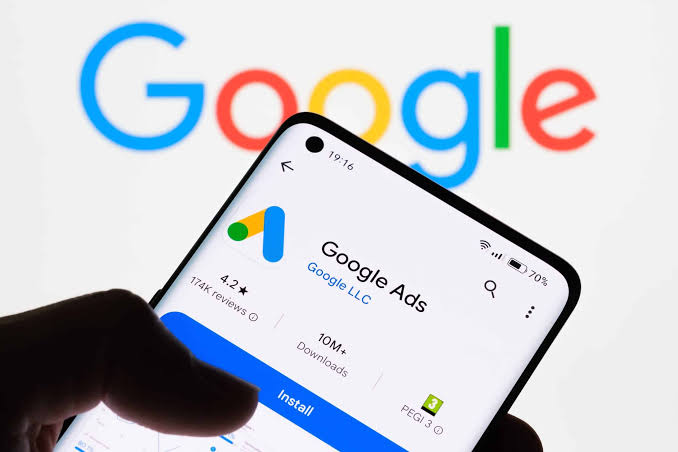
Google Ads is one of the fastest ways to generate qualified traffic.
Instead of waiting months for SEO results, businesses can appear at the top of Google search results immediately through paid advertising.
Google Ads is ideal for:
- Local businesses
- Service providers
- E-commerce stores
- Lead generation campaigns
- Product launches
Proper keyword targeting and optimized landing pages significantly improve conversion rates.
3. Social Media Marketing
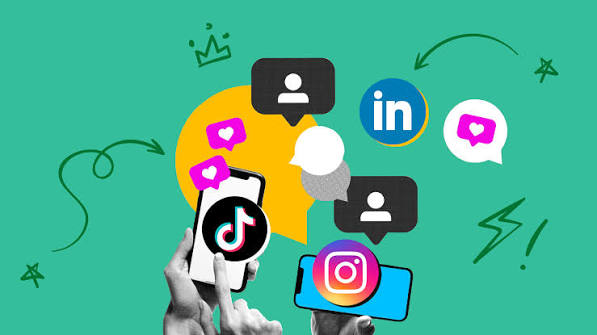
Millions of people spend hours every day on platforms like Instagram, Facebook, LinkedIn, and YouTube.
A well-planned social media strategy helps businesses:
- Build brand awareness
- Engage with customers
- Increase website traffic
- Showcase products
- Generate leads
Consistent posting, short-form videos, educational content, and customer testimonials are highly effective for increasing engagement.
4. Content Marketing
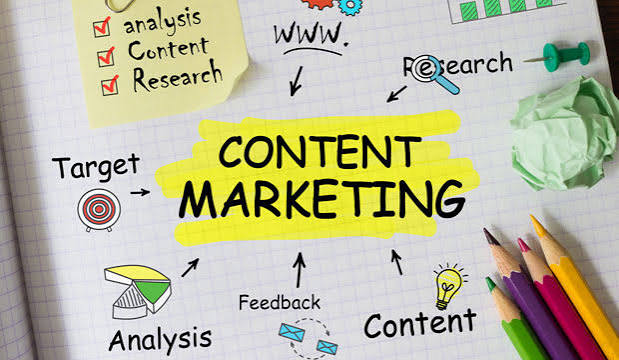
Content marketing focuses on creating valuable information that solves customer problems.
Popular content formats include:
- Blog posts
- Videos
- Infographics
- Case studies
- Guides
- Checklists
High-quality content builds trust while also improving search engine rankings.
Publishing informative blogs regularly positions your business as an industry expert.
5. Email Marketing

Email marketing remains one of the highest ROI marketing channels.
Instead of constantly searching for new customers, businesses can nurture existing leads through personalized emails.
Effective email campaigns include:
- Welcome emails
- Promotional offers
- Monthly newsletters
- Product updates
- Educational content
Automation tools allow businesses to stay connected with customers while saving valuable time.
Measuring Marketing Success
Successful marketing campaigns rely on data.
Track important metrics such as:
- Website traffic
- Keyword rankings
- Conversion rates
- Cost per lead
- Return on ad spend (ROAS)
- Bounce rate
- Click-through rate (CTR)
Tools like Google Analytics and Google Search Console provide valuable insights into campaign performance.
Common Digital Marketing Mistakes
Many businesses struggle because they:
- Ignore SEO
- Don’t define a target audience
- Publish inconsistent content
- Have slow websites
- Neglect mobile optimization
- Fail to track campaign performance
- Stop marketing after short-term results
Avoiding these mistakes helps maximize your marketing investment.
Conclusion
Digital marketing is no longer optional for small businesses—it is essential. By combining SEO, Google Ads, content marketing, social media, and a high-performing website, businesses can attract more customers and build lasting relationships.
The digital landscape continues to evolve, but one thing remains constant: businesses that invest in strategic online marketing are better positioned for long-term success.
Whether you’re just getting started or looking to scale, implementing these proven strategies can help your business thrive in 2026 and beyond.